Padel Court
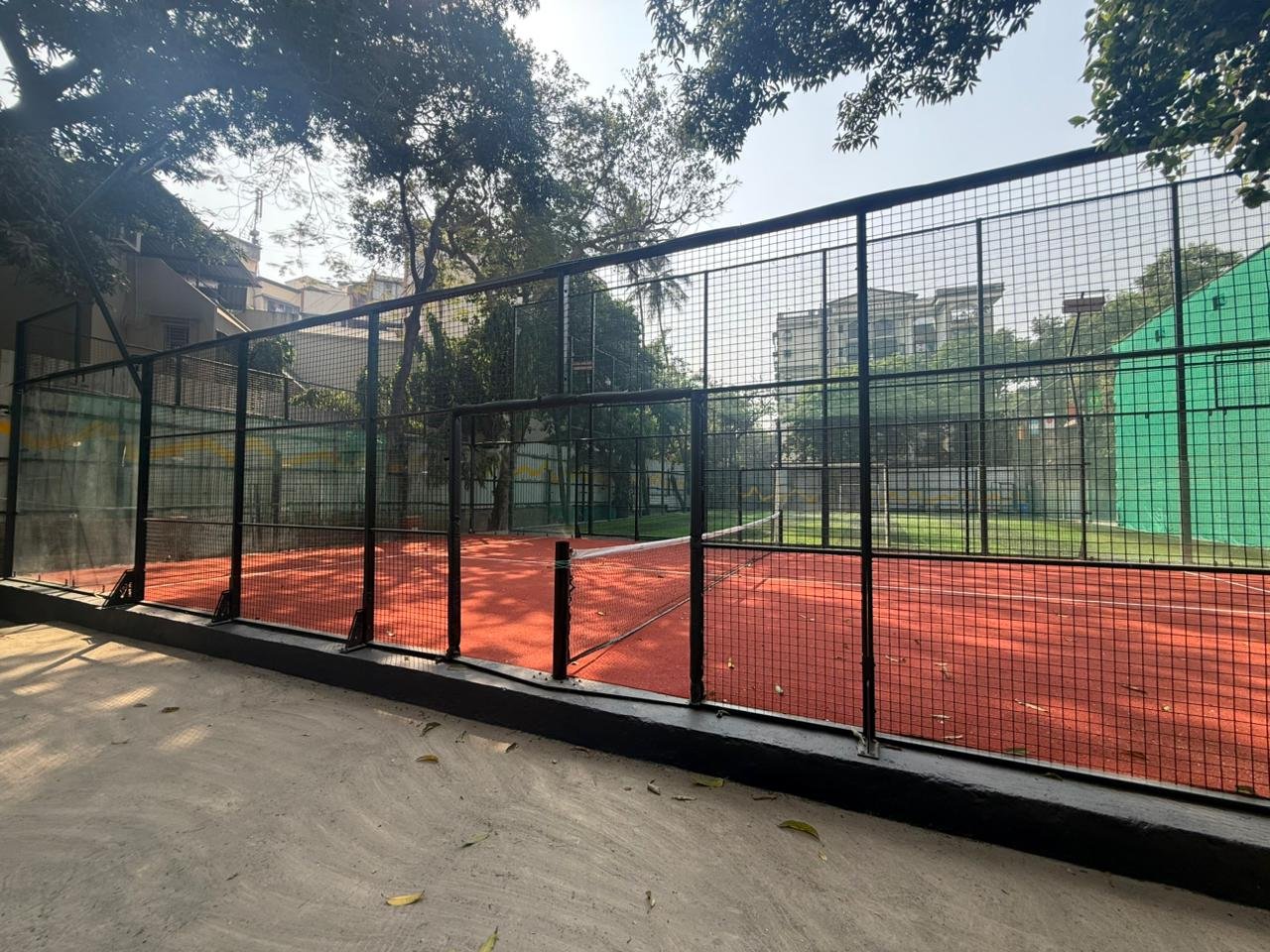
WE at A TO Z Sports INFRA deliver the best Padel Tennis Construction services in India. Our mission is to help India build padel courts with infrastructure that is reliable, aesthetic, and truly world-class. We are specialist in Padel court setup services in India. We at A TO Z Sports Infrastructure designing, manufacturing and install high-quality padel courts meeting international standards for play experience, performance, safety, and durability. Offering complete end-to-end solutions for Padel tennis court setup services in India, from initial consultation, customization to final installation, for both indoor and outdoor spaces.
We are manufacturer and installers of Padel tennis courts in India. We are experts of Padel court Construction. Indias leading suppliers of Padel Tennis Turf, Padel tennis structure frames and Padel tennis Glass.
PADEL COURT PRODUCTS
How much does a Padel court setup cost?
To build a Padel tennis court approx. Cost varies from the range of Rs.13 Lakhs – 17 LAKHS.
How much times does it take to build a Padel tennis court ?
It takes 18-20 days to build a Padel Tennis Court.
Types /Models of Padel Tennis Court ?
1. Fully Panoramic Padel Court
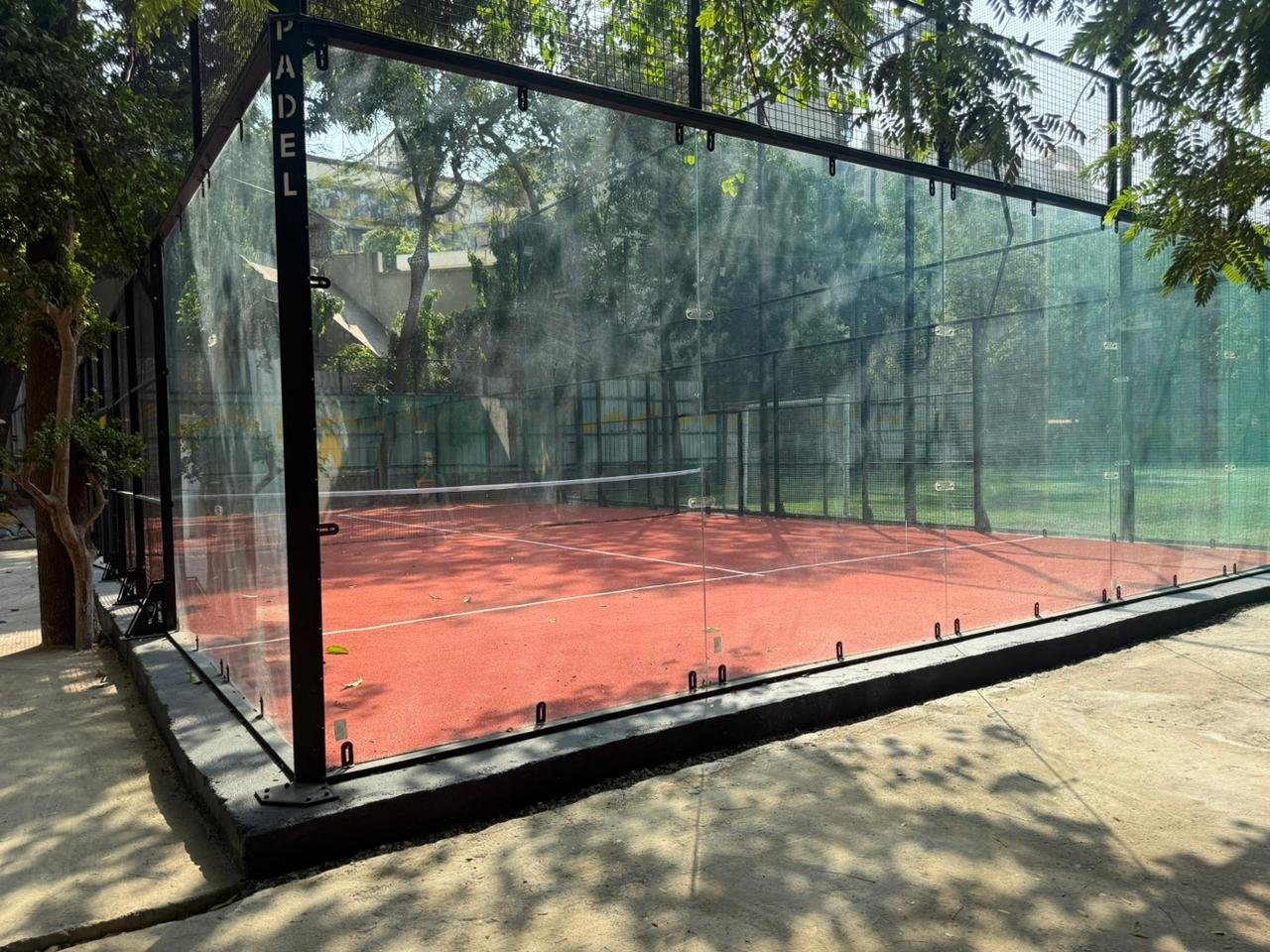
2. Semi Panoramic Padel Court.
pADEL COURT SERVICES
-
Padel Court Installation Services
-
Padel Court Design & Planning
-
Padel Court Glass Installation
-
Padel Court Steel Structure Setup
-
Padel Court Installers
-
Padle Court Suppliers
-
Padel Court Net System Setup
-
Padel Court Maintenance Services
-
Padel Court Custom Design Solutions
-
Padel Court Lighting Installation
What type of frame is used in a Padel court?
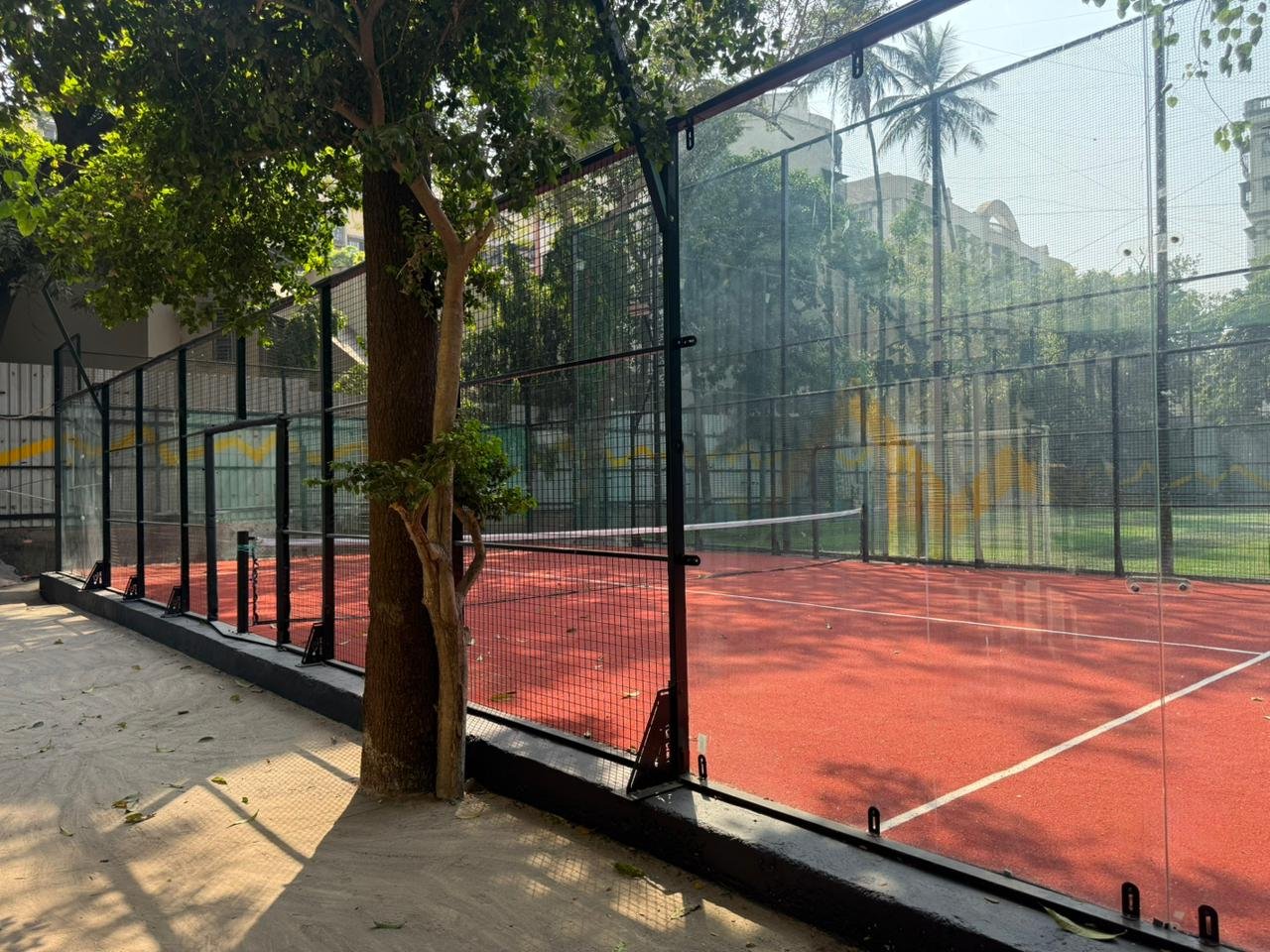
The essential functions of the padel court frame provide both structural strength and permanent protection which safeguards users of the facility. The court needs a robust framework which can support its glass panels and metal mesh fencing while maintaining stability throughout the game. The frame enables the court to endure various environmental conditions and withstand impacts from balls and the ongoing activities of players. The design process for a padel court frame needs engineers to use high-quality materials together with proper engineering methods.
Padel courts make use of these frame types:
1. Galvanized Steel Frame
Galvanized steel stands as one of the most popular materials used for constructing padel court frames. The material receives a zinc coating which protects it from rust and corrosion. The material suits indoor and outdoor courts because it withstands humid conditions and fluctuating weather patterns. The glass panels and mesh walls receive secure support from the strength of galvanized steel.
2. Powder-Coated Steel
Frame Constructors use powder-coated steel frames as their most preferred option for building projects. The steel framework receives a protective powder coating which makes the material more durable while creating an appealing surface finish. The coating protects the frame from scratches and rust and environmental damage, while it enables different color designs for courts to be created.
3. Reinforced Structural Steel Frame
The industry standard for professional and high-traffic courts. The frames provide increased strength through their thicker design which enables them to support heavy glass panels while maintaining stability throughout extended periods. The frame serves as the primary structure in competitive facilities which experience constant usage throughout their operational schedule.
4. Modular Steel Frame System
Modern padel courts implement modular steel frame systems as their primary construction method. The framesare built as separate sections which workers can easily build at the construction site. The modular system enables fast installation while providing simple transportation and maintenance options for any needed structural part replacement.
The construction of a robust frame helps maintain stable court conditions which create a secure playing space that lasts for multiple years of use by athletes.
Step-by-Step: How to build a Padel Court
- Site Inspection
Site inspection , surface levels, drainage.
- Foundation & Base Work
Lay a concrete, RCC Frame work.
- Enclosure Installation
Install the structural frame using GI steel mesh and frame powder coated , followed by tempered glass panels.
- Synthetic Turf Installation
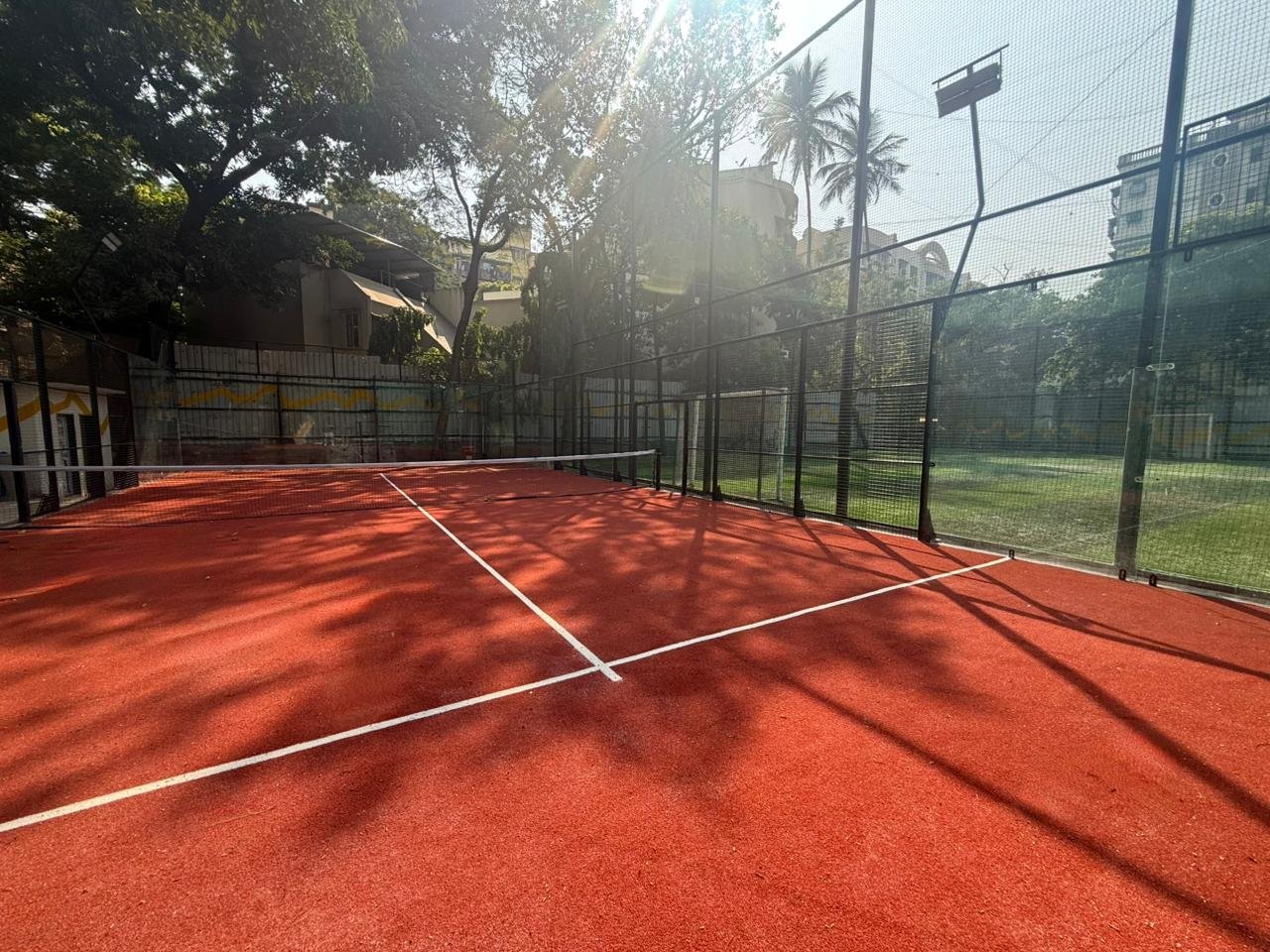
Use padel-specific artificial grass with sand infill to provide grip and ball bounce.
- Court Markings & Accessories
Apply accurate game lines per international padel standards. Install the center net and post system and padding.
- Lighting Setup
Install non-glare LED lighting for evening matches, player visibility, and consistent performance.
Contact us to build a Padel court Pan India.
Our Gallery
WANT TO KICK START YOUR OWN SPORTS ARENA AT YOUR LOCATION ??
CONNECT WITH US NOW

Phone/ Email
Mobile : +91 98707 88393
Email : atozsportsinfra@gmail.com
Address
Ahmedabad Office
Fanhidhar 1st Floor , Orchid Complex , Next to Govardan Party Plot, Thaltej- 380059, Ahmedabad, Gujrat.
Mumbai Office
403B Ballerina , 3rd Lane, Lokhandwala Complex, Andheri West 400053 Mumbai, Maharashtra.
All Rights Reserved Copyright © 2020 AtoZSportsinfra